Hospitality's Great Divide: Why Distinctive Properties Are Pulling Ahead in 2026
Uneven demand and operating pressure are increasing the importance of differentiation, guest experience and disciplined investment.
A selective recovery
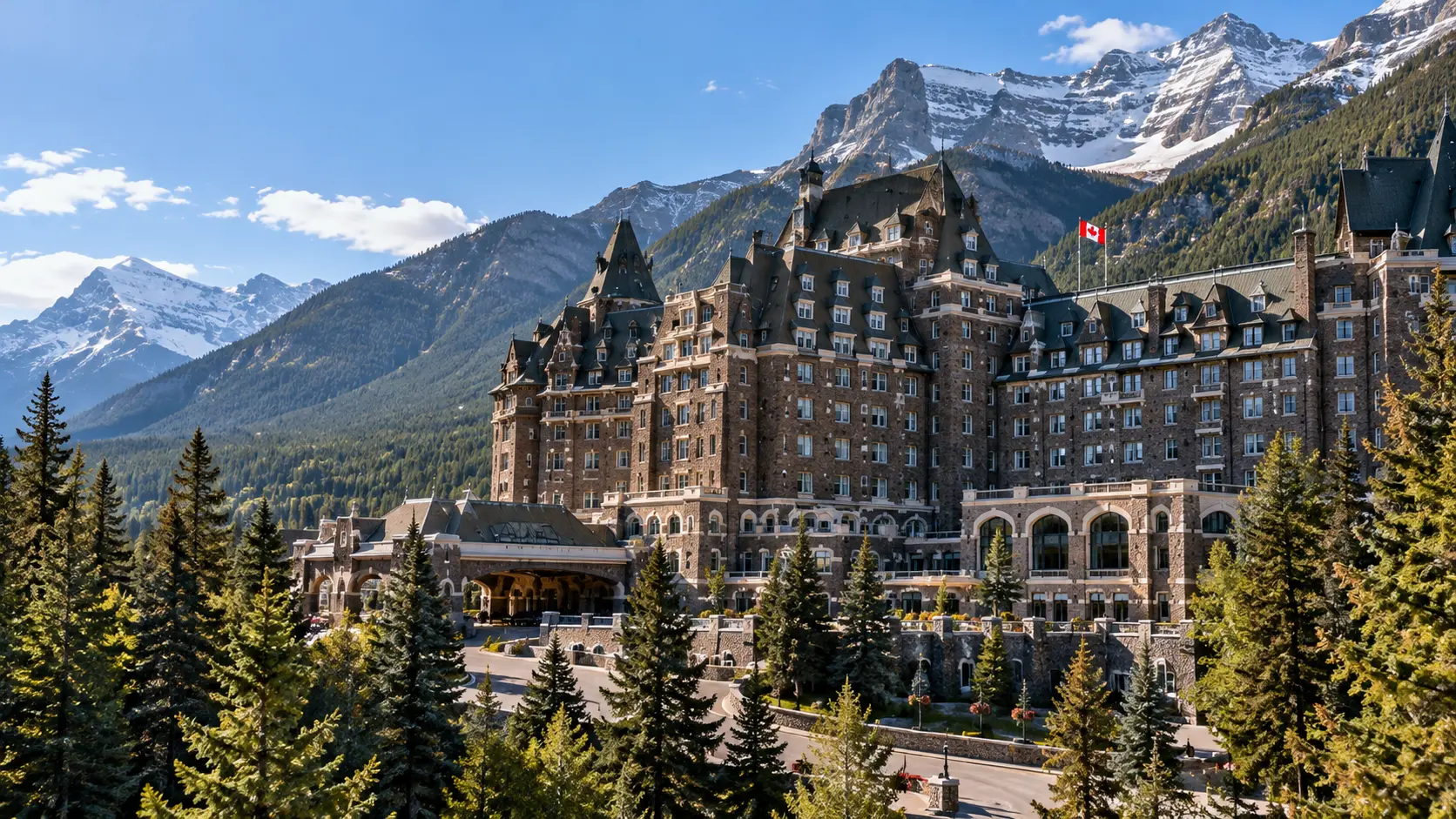
Walker & Dunlop's Hospitality Outlook 2026 identifies luxury and differentiated properties as relatively well positioned for pricing power, while middle-market assets face pressure from costs and limited room-rate growth. Location, service model and customer segment increasingly determine outcomes.
The economics of experience
Hotels and entertainment venues must decide what customers are paying for: convenience, service, atmosphere, recreation or exclusivity. Investments should reinforce that proposition rather than add decoration without a commercial objective.
Physical experience is operational
A new restaurant, premium cinema offering or hotel amenity changes circulation, access and guest expectations. Clear identification and wayfinding support the service model. A beautiful lobby is less useful when visitors cannot find the correct entrance or destination.
Renovation while operating
Hospitality properties often cannot close for improvements. Temporary wayfinding, contractor access, construction separation and carefully staged installation are essential to reducing guest disruption. Multi-property programs benefit from consistent standards and documentation.
Entertainment as an anchor
PwC and the Urban Land Institute's 2026 Canadian outlook identifies dining and entertainment concepts as potential anchors for repositioned shopping centers. Such projects require landlords to rethink access, evening activity and the identity of former traditional retail space.
Outlook
Distinctiveness matters, but so does operational fit. The best physical improvements solve specific guest problems and support a property's market position, rather than treating every venue as a luxury destination.