Architecture's Prolonged Slowdown Is Changing How Design Firms Compete
Weak billings and cautious clients are increasing the value of technical coordination, adaptability and buildable design.
A long period of weak billings
The American Institute of Architects reported an Architecture Billings Index reading of 47.3 in June 2026. Readings below 50 indicate more firms reporting declines than increases. The AIA described 41 consecutive months without a majority of firms reporting billings growth.
Interest does not equal commitment
Client inquiries may rise while design contracts remain weak. Firms must manage staffing and specialized expertise through uncertain pipelines without undermining their ability to deliver when projects proceed.
Clients need delivery confidence
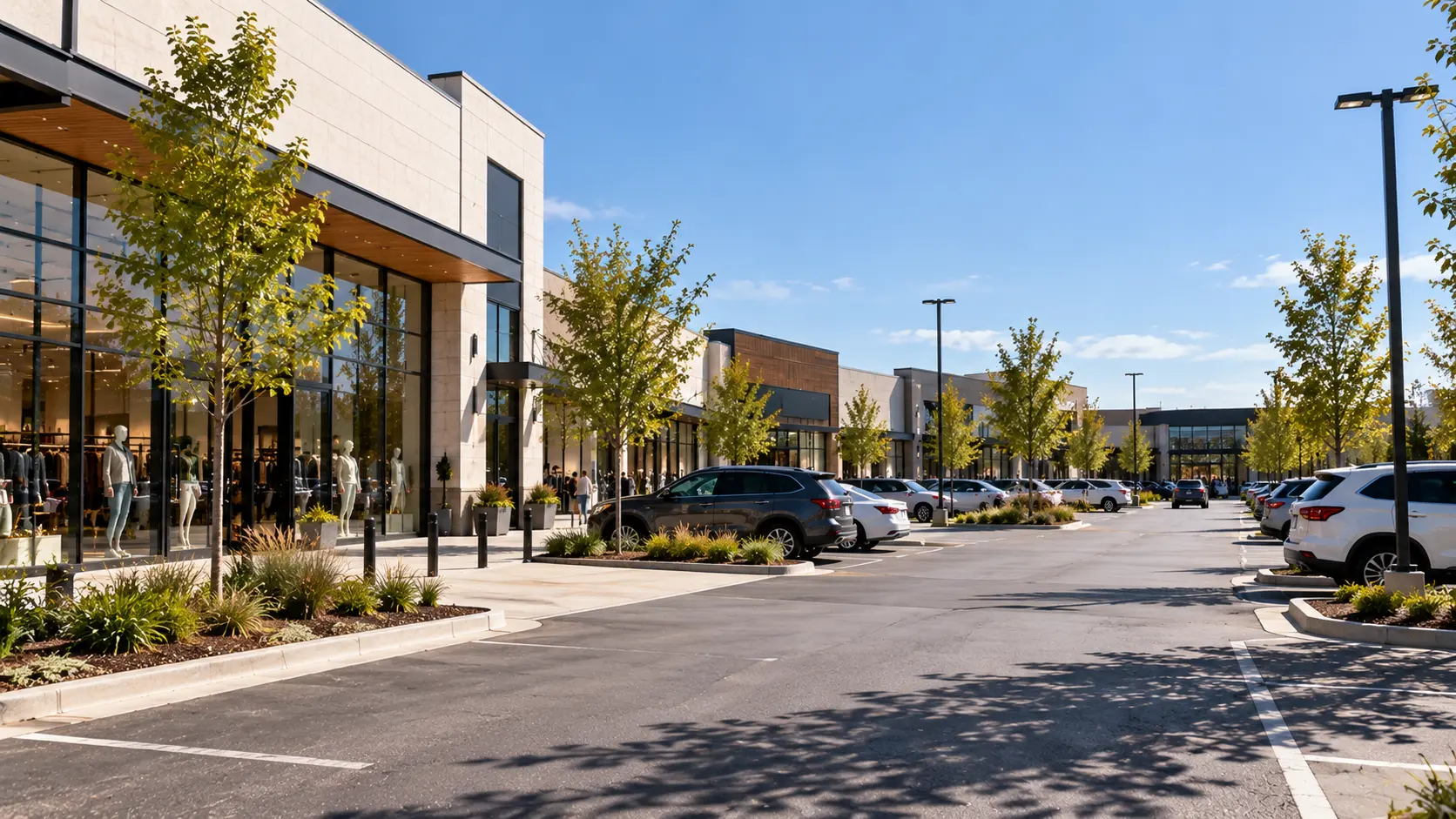
Owners increasingly evaluate budgets, approvals, documentation and coordination alongside design quality. Commercial facilities require architects to integrate requirements across engineering, construction and specialized suppliers.
Avoiding late-stage compromises
Wayfinding depends on sightlines and circulation; exterior signage can require electrical and structural coordination. Bringing environmental identification into the design process early helps preserve design intent and avoid retrofits.
Adaptable systems
Buildings change tenants and functions over time. Replaceable graphics, modular directories and documented standards can make future modifications less disruptive. Material selection should consider maintenance and expected use as well as appearance.
Outlook
Architecture is not becoming less creative. But in a cautious market, the firms that translate ambitious design into practical, durable and coordinated projects may be better positioned to retain clients.