Development Under Pressure: The New Economics of Delivering Commercial Real Estate
Construction uncertainty, financing costs and shifting tenant requirements are making coordination and schedule reliability central to development economics.
Costs and uncertainty
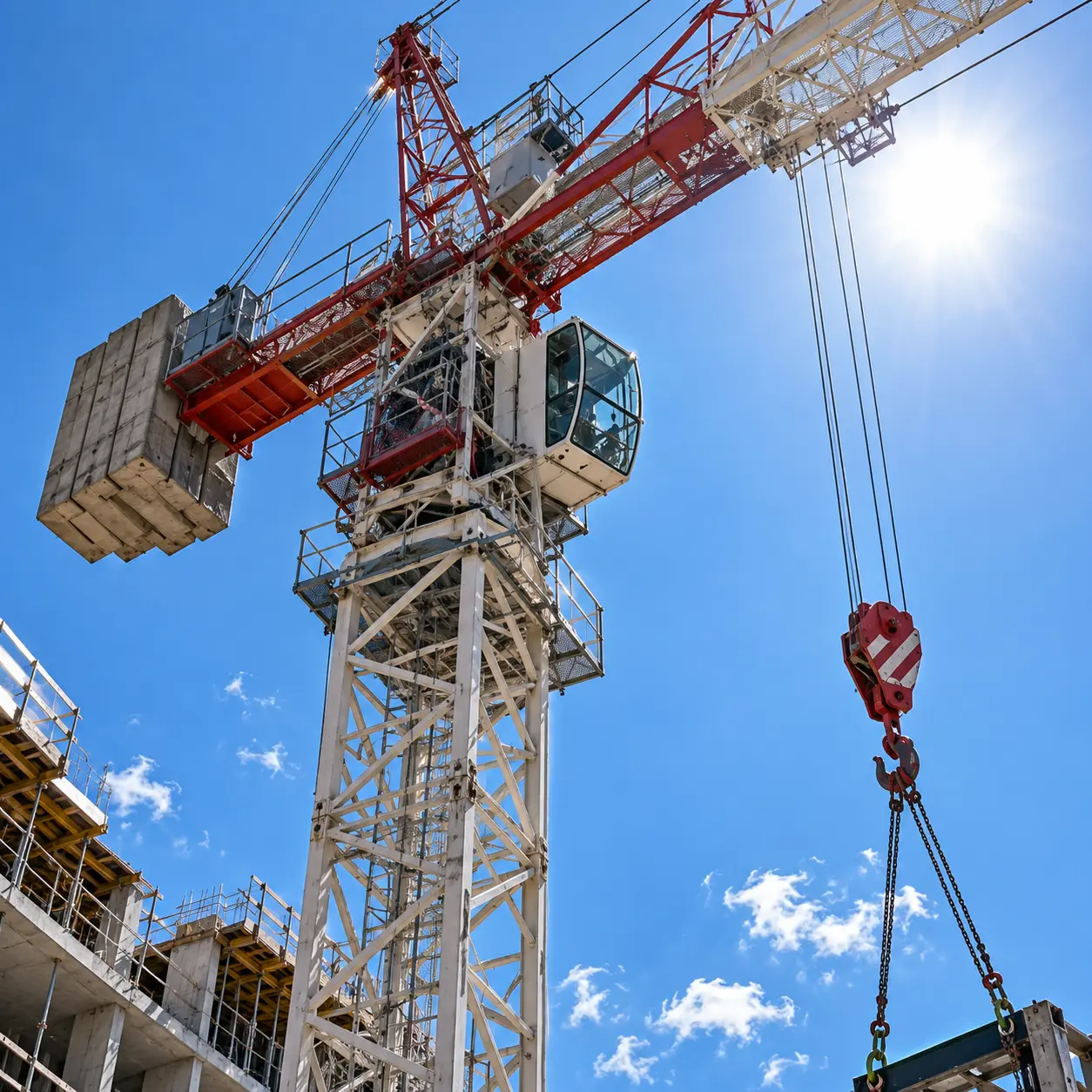
JLL's 2026 U.S. Construction Perspective points to labor constraints, policy uncertainty and complex project delivery as cost pressures. A development's initial underwriting can change substantially before construction begins.
Why delivery affects returns
Financing, construction and leasing schedules are interconnected. Delays increase carrying costs and postpone rent commencement. Municipal approvals, utility connections and long-lead procurement must be treated as critical dependencies.
Early coordination matters
Specialized scopes are often deferred until late in the process. Exterior identification can require structural support, electrical infrastructure and sign permits; wayfinding can depend on circulation and finished architecture. Planning those interfaces early avoids expensive changes.
Leasing and property identity
Retail centers, logistics buildings and mixed-use developments have different identification needs. Tenant signage criteria should balance visibility, consistency and municipal requirements. Poor standards can complicate leases and weaken presentation.
Repositioning existing properties
PwC and ULI describe opportunities to adapt former retail anchor spaces to dining, entertainment and other uses. Existing buildings bring constraints involving access, circulation, approvals and facade conditions.
Outlook
Developers will continue to benefit from rigorous underwriting and early multidisciplinary decisions. A compelling rendering helps communicate the plan; an operational building delivered on time determines its economic value.