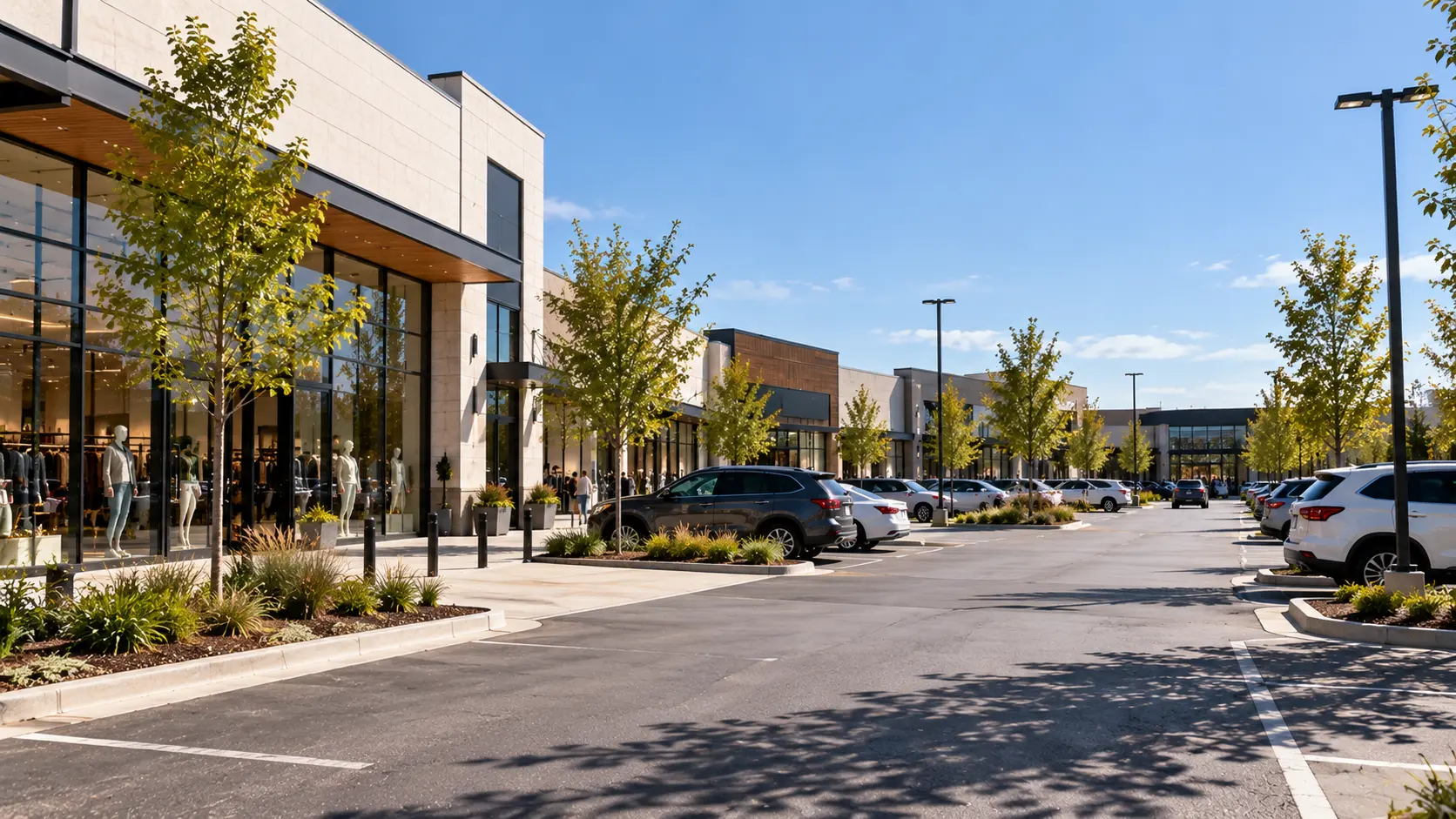
The Return of Asset Management: Why Operating Performance Is Taking Priority Over Appreciation
When investment returns rely more on income than rapid appreciation, tenant retention and disciplined capital allocation become critical.
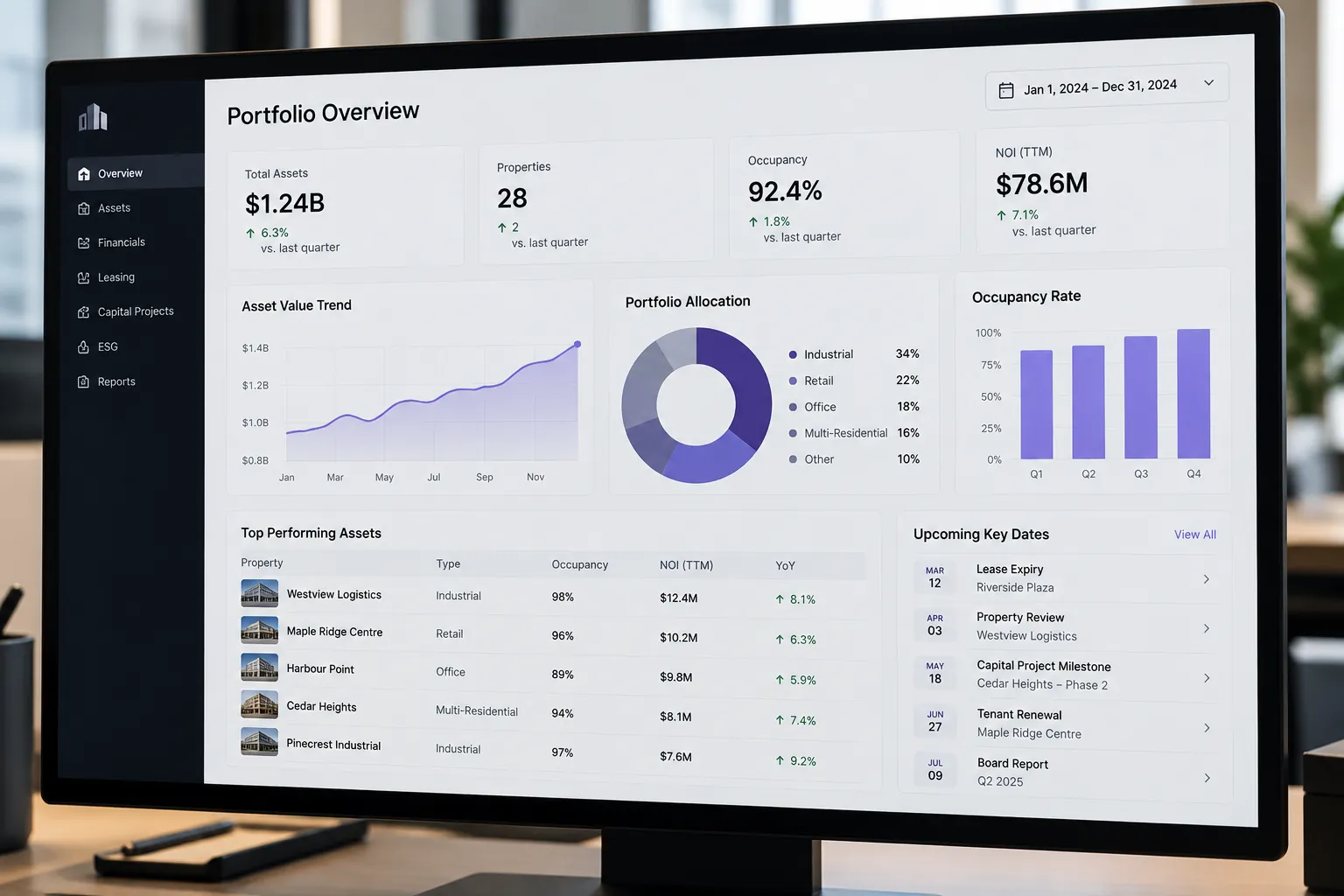
Income at the center
CBRE's 2026 U.S. real estate outlook identifies income as a primary driver of commercial property returns, emphasizing market selection, due diligence and active asset management.
The NOI calculation
Net operating income reflects property revenue after operating expenses, before financing and certain other costs. Managers can pursue better leasing, retention, procurement and maintenance, but each decision creates trade-offs between short-term savings and long-term asset quality.
Retention is an economic decision
Vacancy can mean lost rent, brokerage costs, incentives and tenant improvements. Retail, office and industrial occupiers have different needs, from customer access to loading circulation. Understanding those needs is essential to retaining productive tenants.
Property presentation with a purpose
Exterior identification, tenant directories and common-area graphics can support usability and positioning. Their value should be judged against a defined problem: navigation complaints, leasing needs, maintenance or customer access—not appearance alone.
Portfolio-wide standards
Assets acquired over time often use different suppliers, specifications and maintenance practices. Standardized condition assessments and procurement can improve cost control while leaving room for property-specific requirements.
Outlook
In an income-driven environment, physical improvements should be treated like other capital expenditures: with objectives, cost comparisons and measurable outcomes. Strong asset management is about performance, not just presentation.