
The Retail Reset: Why 2026 Is Rewarding Selective Expansion Over Store Counts
Retailers are still opening stores, but location quality, operating costs and execution are taking precedence over aggressive expansion.
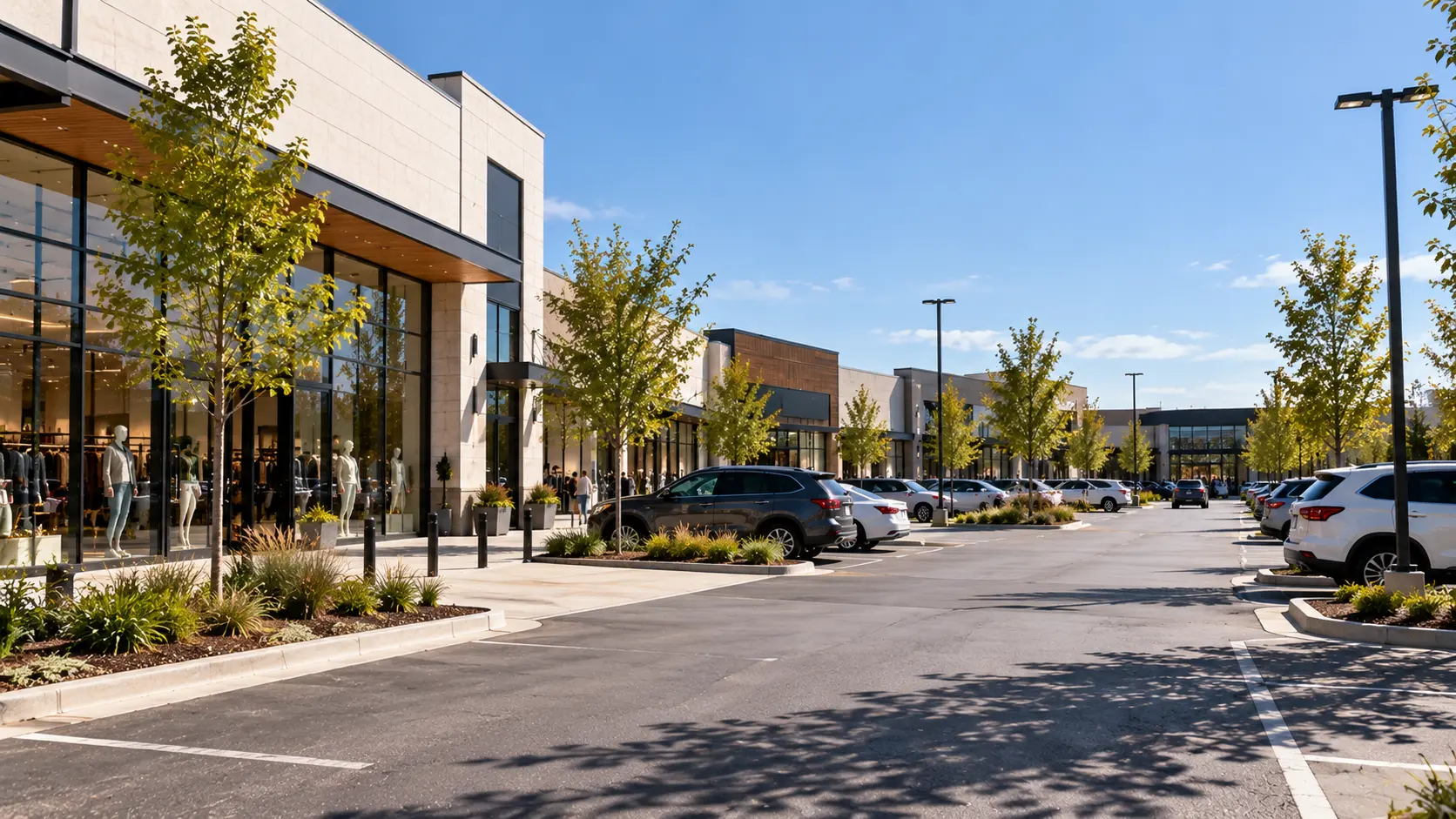
A selective market
CBRE's 2026 U.S. retail outlook identifies grocery-anchored shopping centers, neighborhood properties and higher-income suburban corridors as comparatively well positioned. Tight availability does not imply uniform strength: suitable space remains limited, construction is expensive and operators are cautious about committing to new locations.
From store counts to store productivity
A successful expansion strategy is not simply the number of stores opened. Sales productivity, occupancy costs, construction spending and time to opening determine the economics. A chain launching dozens of locations must coordinate landlords, municipalities, contractors and suppliers as a single program rather than a collection of unrelated projects.
The changing role of the store
Stores increasingly support online pickup, returns, services and demonstrations as well as sales. Those functions create new demands on circulation and customer communication. Wayfinding, exterior identification and interior graphics can help customers navigate the experience without relying on staff intervention.
The Canadian opportunity
PwC and the Urban Land Institute's 2026 Canadian real estate outlook highlights interest in experiential retail, mixed-use destinations and food-and-entertainment anchors. Repositioning former anchor spaces can require a new identity, new tenant standards and a rethink of how visitors enter and navigate a property.
Rebranding is operational
National rebrands involve surveys, permitting, engineering, production, installation access and coordinated launch schedules. Consistent design is valuable, but every building and municipality imposes different constraints. Execution quality determines whether a brand transition looks coordinated or fragmented.
Outlook
Retail growth in 2026 is increasingly selective. The operators best positioned to succeed will pair disciplined location choices with repeatable delivery systems and physical environments that make new services easy to understand.